






Get professional solutions
We look forward to having in-depth exchanges with you and exploring more composite material application technologies and solutions.

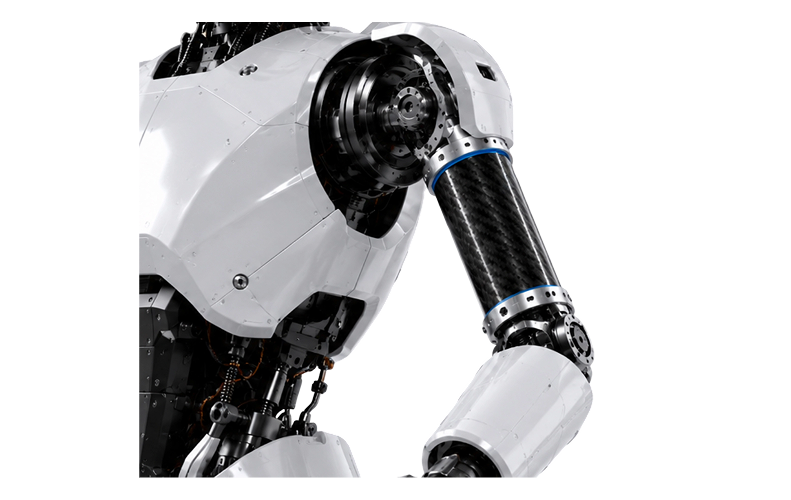
Robot lightweight structural parts bonding
Bonding of carbon fiber composites and metal dissimilar materials
Robot joints, skeleton and shell structure fixation
Industrial automation equipment structural parts assembly
Bonding of metal shells and functional components of electronic equipment
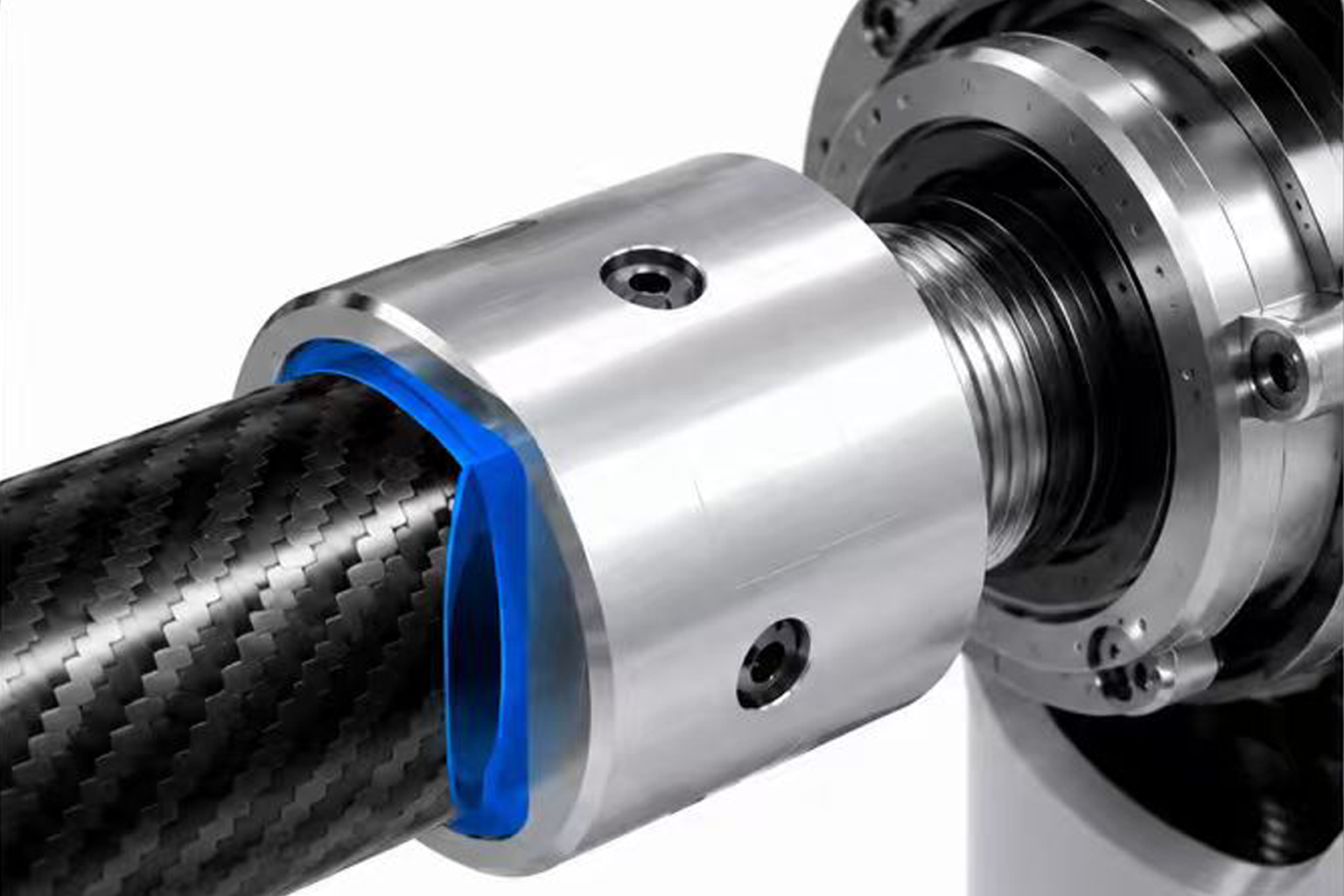
Can firmly bond carbon fiber composite materials, aluminum alloys, stainless steel and other substrates;
Reduce local stress concentration and help achieve lightweight design;
Stress buffering to improve the connection reliability of dissimilar materials;
Has good temperature resistance, moisture resistance and aging resistance;
Two-component room temperature curing improves production efficiency.
product | MEP 4647 |
Mixing ratio (A:B) [volume] | 2 : 1 |
Operating time [min] | 30 |
Full cure time @25℃ [h] | 48 |
tensile strength [MPa] | 47 |
Aluminum - Aluminum Shear Strength [MPa] | 34 |
Stainless Steel - Stainless Steel Shear Strength [MPa] | 32 |
FR4-FR4 shear strength [MPa] | 34 |
hardness [Shore D] | 80 |
Glass transition temperature (Tg) [℃] | 79 |
Operating temperature range [℃] | -40 ~ 80 |
