





Thermal interface materials_MCOTI

CN | EN

millimeter wave radar
As the intelligent driving functions of new energy vehicles continue to be upgraded, millimeter-wave radar, as an important sensing component of ADAS, is exposed to complex environments such as high and low temperatures, humidity and heat, vibration and dust for a long time, which puts forward higher requirements for structural sealing and environmental reliability. Adhesives are widely used in key parts such as radar casings, PCBs and connectors to achieve sealing protection, structural fixation and long-term reliability guarantee, ensuring the stable operation of radar systems.
millimeter wave radar
Thermal interface materials sealant Electromagnetic shielding conductive adhesive
Thermal interface materials
The core heat source of millimeter wave radar mainly includes SoC main control chip, millimeter wave radio frequency chip and power management device. The tiny gap between the chip and the heat dissipation case will form a large interface thermal resistance, affecting the heat dissipation efficiency and system stability. MCOTI's thermally conductive interface materials can fully fill the contact gap, establish efficient heat conduction channels, quickly dissipate the heat generated during the PCBA's working process, effectively reduce the interface thermal resistance and system thermal resistance, and improve the reliability and long-term stability of millimeter wave radar in high and low temperatures, vibrations and complex environments.

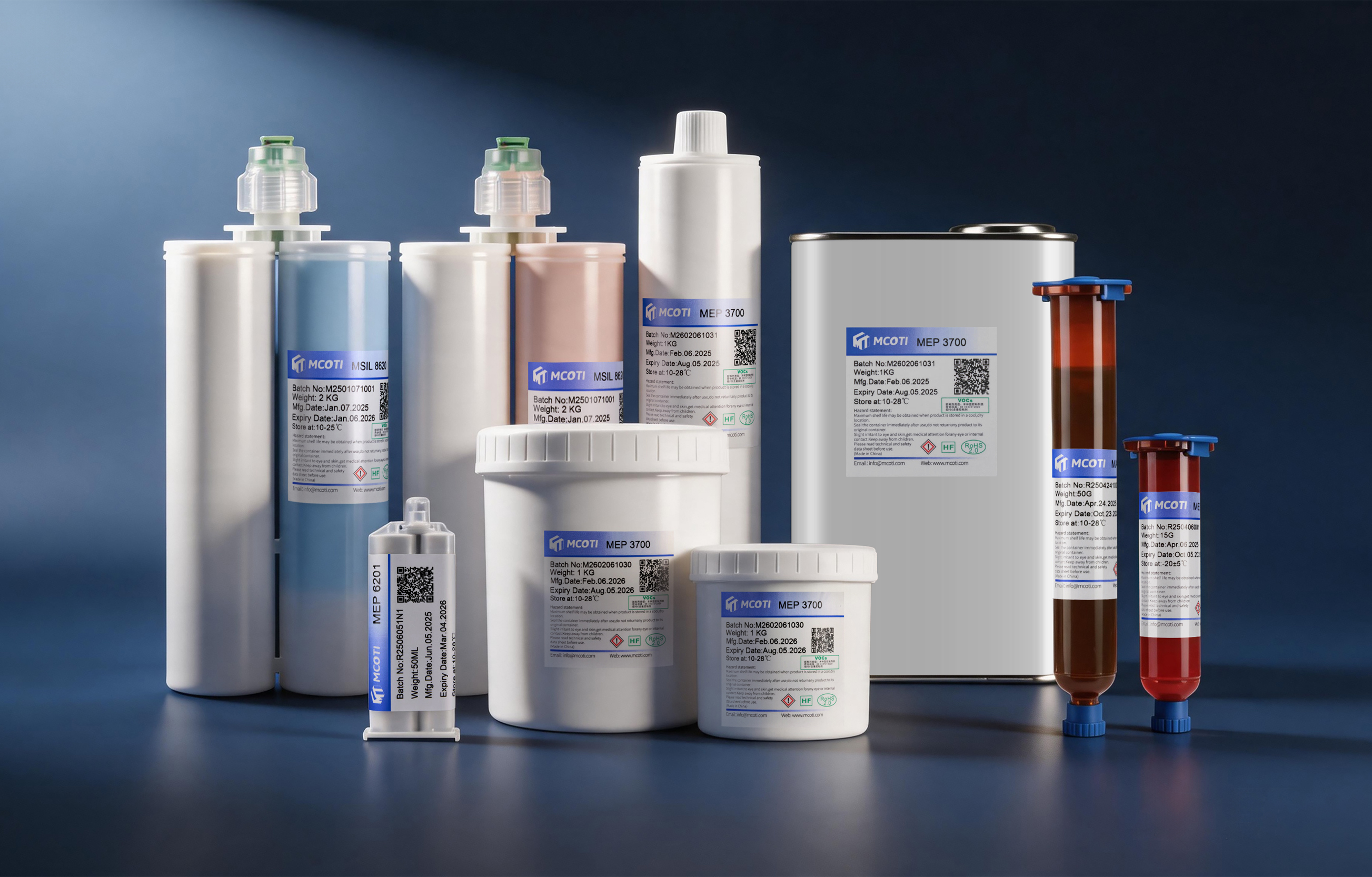
Thermal conductive silicone grease: printable/automatic dispensing, coating thickness 0.02~0.1mm, no curing reaction, the device can be disassembled and reworked;

Thermal conductive caulking agent: suitable for filling gaps with large height differences and obvious tolerance fluctuations in die-casting shells, and has a shock-absorbing and buffering effect;

Thermal conductive gel: high thermal conductivity, single-component high-speed dispensing, no need to die in advance, adaptable to various chip height differences;

Thermal conductive adhesive: It has the dual capabilities of thermal conductivity + structural bonding, which can simplify structural design, reduce fasteners and achieve lightweight;

Thermal pad: light and thin, high thermal conductivity, reproducible, automated attachment and assembly, high production efficiency.
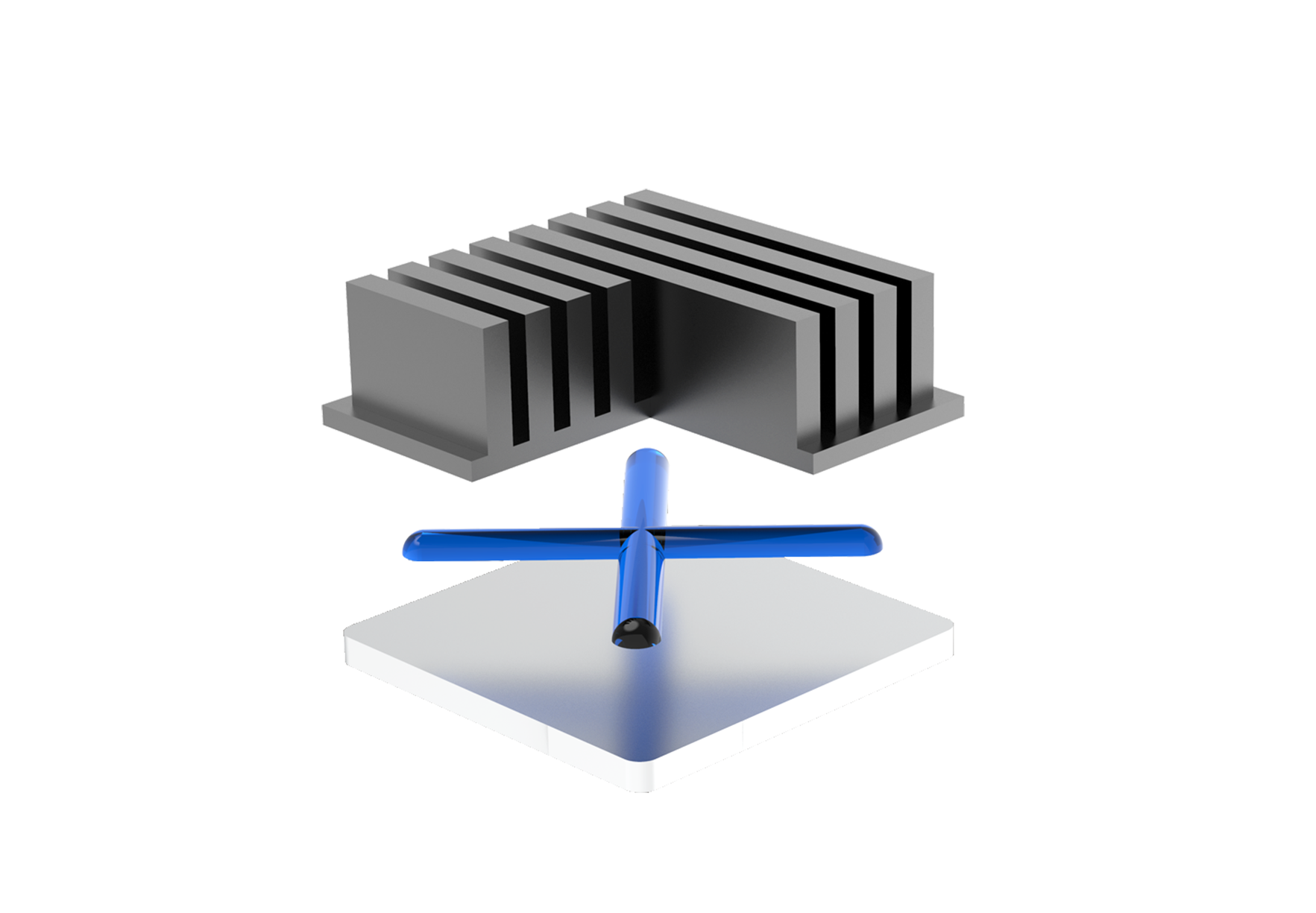
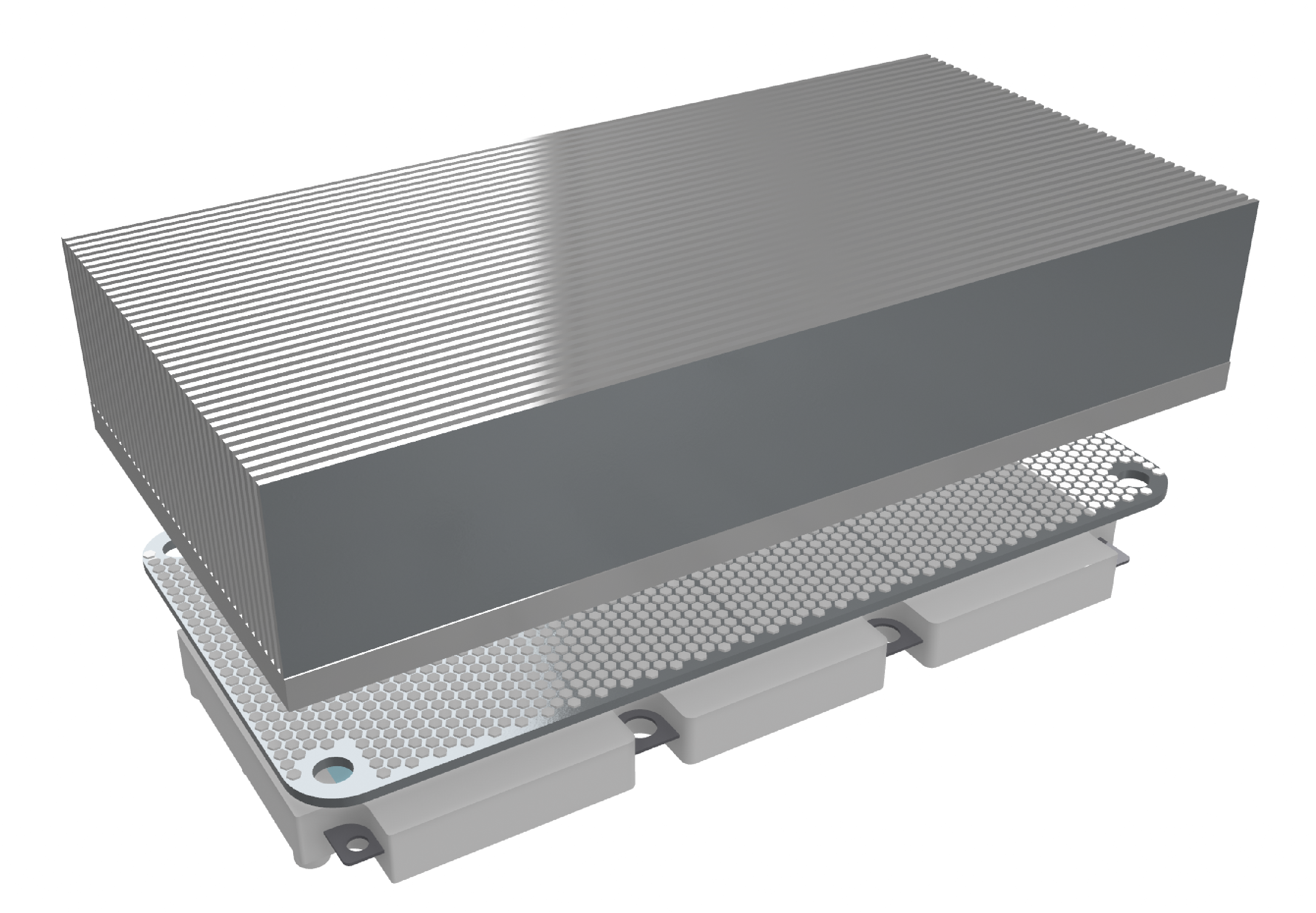
Thermal interface materials
Product advantages

Lower interface/contact resistance

Low modulus and low stress, high dielectric strength

Stored in equipment for long life and easy handling

Very high shape and vertical gap stability

Can be dispensed using most standard dispensing systems

Glue layer thickness with components (minimum): 0.1mm

Simultaneously taking into account the needs of insulation, shock absorption, and vehicle aging resistance

Silicone grease/gel/caulking agent/adhesive glue/thermal pad to overcome various heat dissipation pain points in one stop

Get professional solutions
We look forward to having in-depth exchanges with you and exploring more composite material application technologies and solutions.