On April 19, the Beijing Yizhuang Humanoid Robot Half Marathon was held. The champion "Lightning" finished the race in 50 minutes and 26 seconds. What deserves more attention than "who runs faster" is that these 21 kilometers actually put the core hardware of the robot into a real extreme test.
The track is different from the laboratory, there are no pauses and no buffering. The combination of continuous output, frequent impacts and environmental changes will gradually amplify many problems that were not obvious at first, and those who bear the brunt of the pressure areJoint motor。
01
A half marathon,
Hidden problems running out of joint motors
21 kilometers of continuous running is essentially an extreme stress test for the joint motors of a humanoid robot.
Long-term high-load operation can easily lead to continuous accumulation of heat in the windings. After local hot spots are formed, the performance of the magnets begins to attenuate, and the torque output fluctuates accordingly. The high-frequency vibrations generated by landing, starting and attitude adjustment will continue to interfere with the encoder and sensor signals, causing gait deviation and control instability. At the same time, instantaneous impacts caused by emergency stops, turns, and even falls continue to test the solidity of the internal structure.
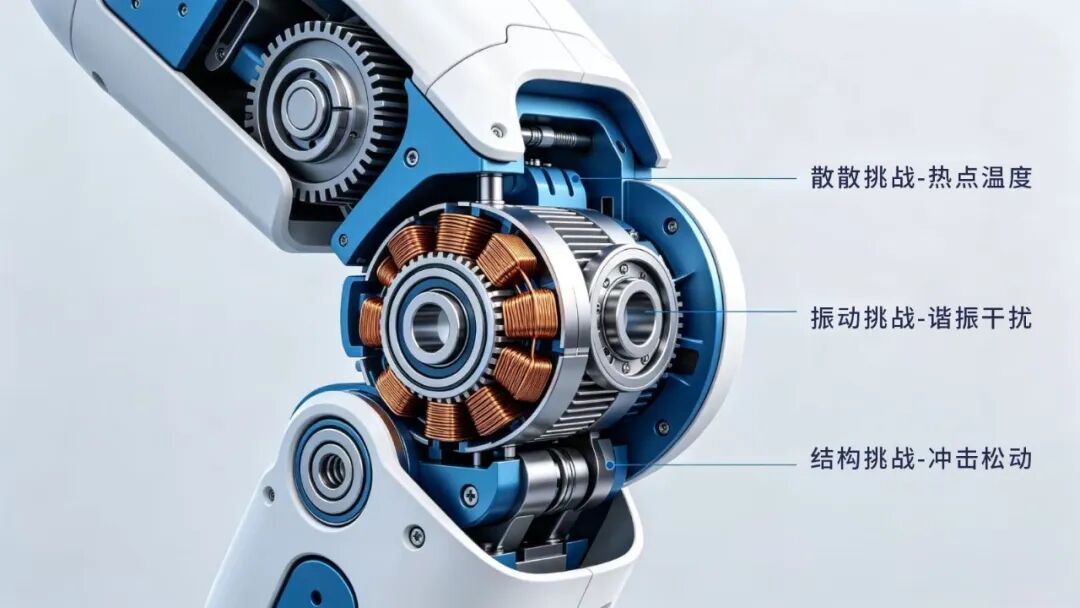
After a half marathon, the industry has actually become more and more aware of:The traditional dip-paint process is difficult to simultaneously meet the requirements for heat dissipation, vibration reduction and structural stability of highly dynamic robots.
02
Not just "fixing problems"
But make the motor more stable
Many solutions are "making up for the shortcomings": if the heat dissipation is not enough, then strengthen the heat conduction, if the structure is unstable, add fixation, and if the vibration is large, add damping.
But in "High temperature + vibration + shock"Under real working conditions that exist at the same time, single-point optimization is often difficult to solve the overall problem.
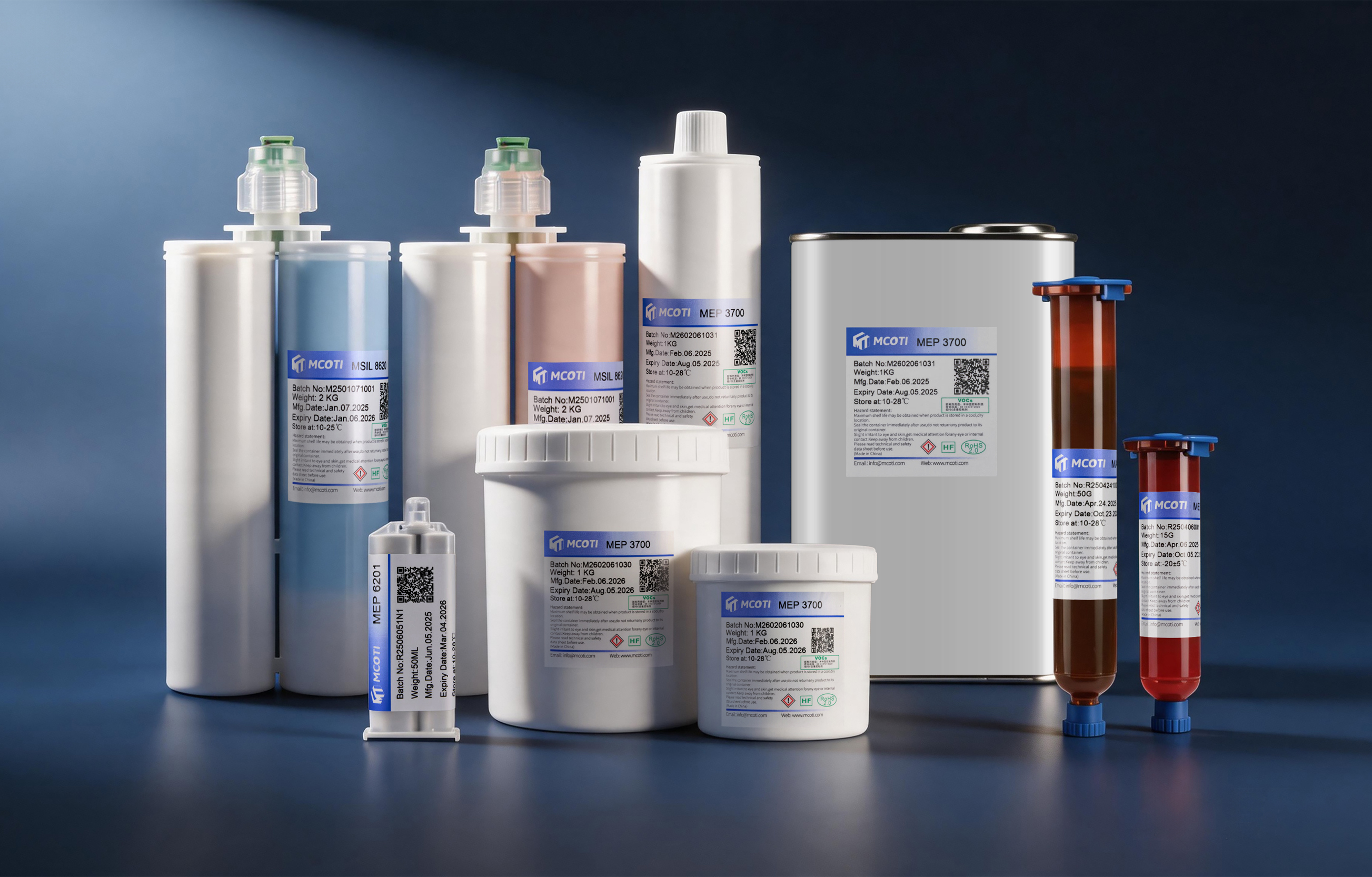
Based on this,MCOTI is here On the MEP 4420 series high-reliability potting technology platform,Launched customized solutions for robot joints. Essentially,It is a material structure that builds a layer of heat conduction, insulation, support and protection capabilities on the motor stator winding.。

● With a thermal conductivity of 1.0–2.0 W/(m·K), heat can be conducted to the housing faster, reducing hot spot accumulation;
● After curing, the material forms a high modulus of 18 GPa, which can effectively suppress high-frequency vibration and make the working environment of the encoder and Hall sensor more stable;
● At the same time, the material has a shear strength of more than 13 MPa, high Tg (>160℃) and oil resistance, and can still maintain structural integrity in emergency stops, falls and complex temperature differences.
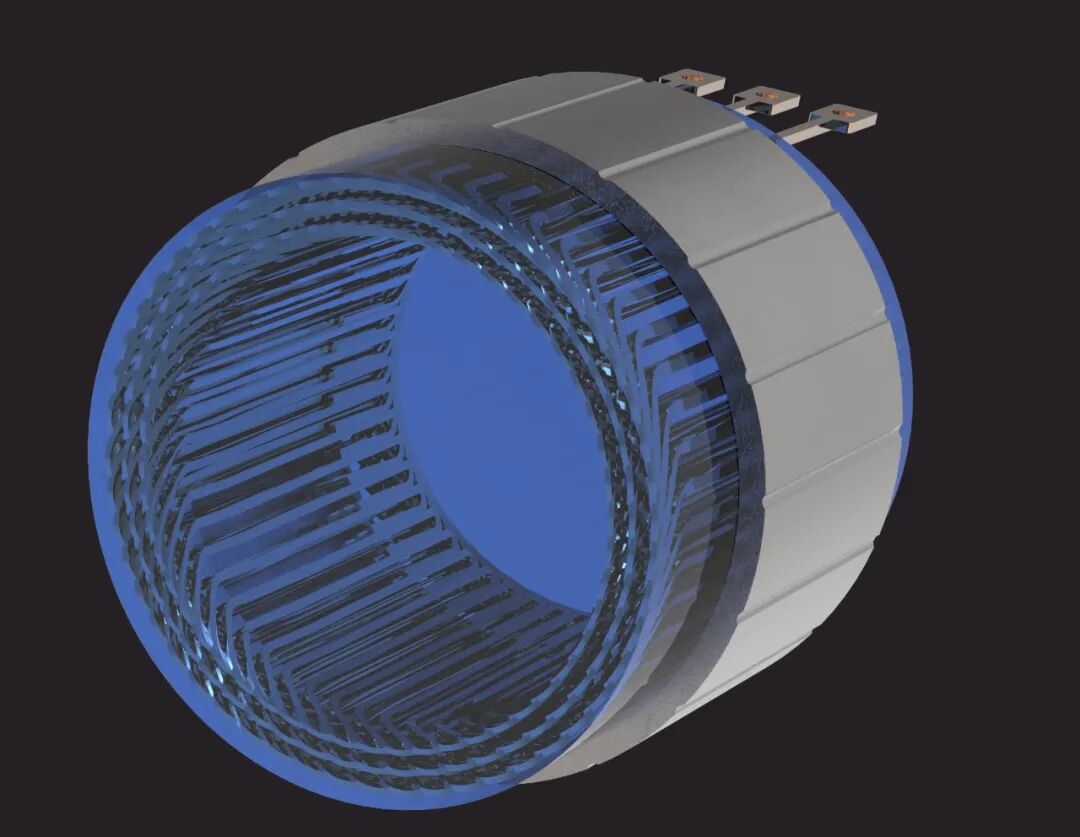
Judging from the results, this is not to strengthen a certain parameter alone, but to integrate heat dissipation, vibration reduction and structural strength to make the overall stability of the joint motor more controllable under complex working conditions.
03
“Reliability” verified in advance
The track can amplify the problem, but it cannot answer a more critical question:Will the structure remain stable if it operates continuously for many years?
Therefore, before entering mass production, those "situations that will happen sooner or later" need to be verified in the laboratory. Focusing on the actual working conditions of robot joints, MCOTI has conducted a number of more stringent tests on potting materials:
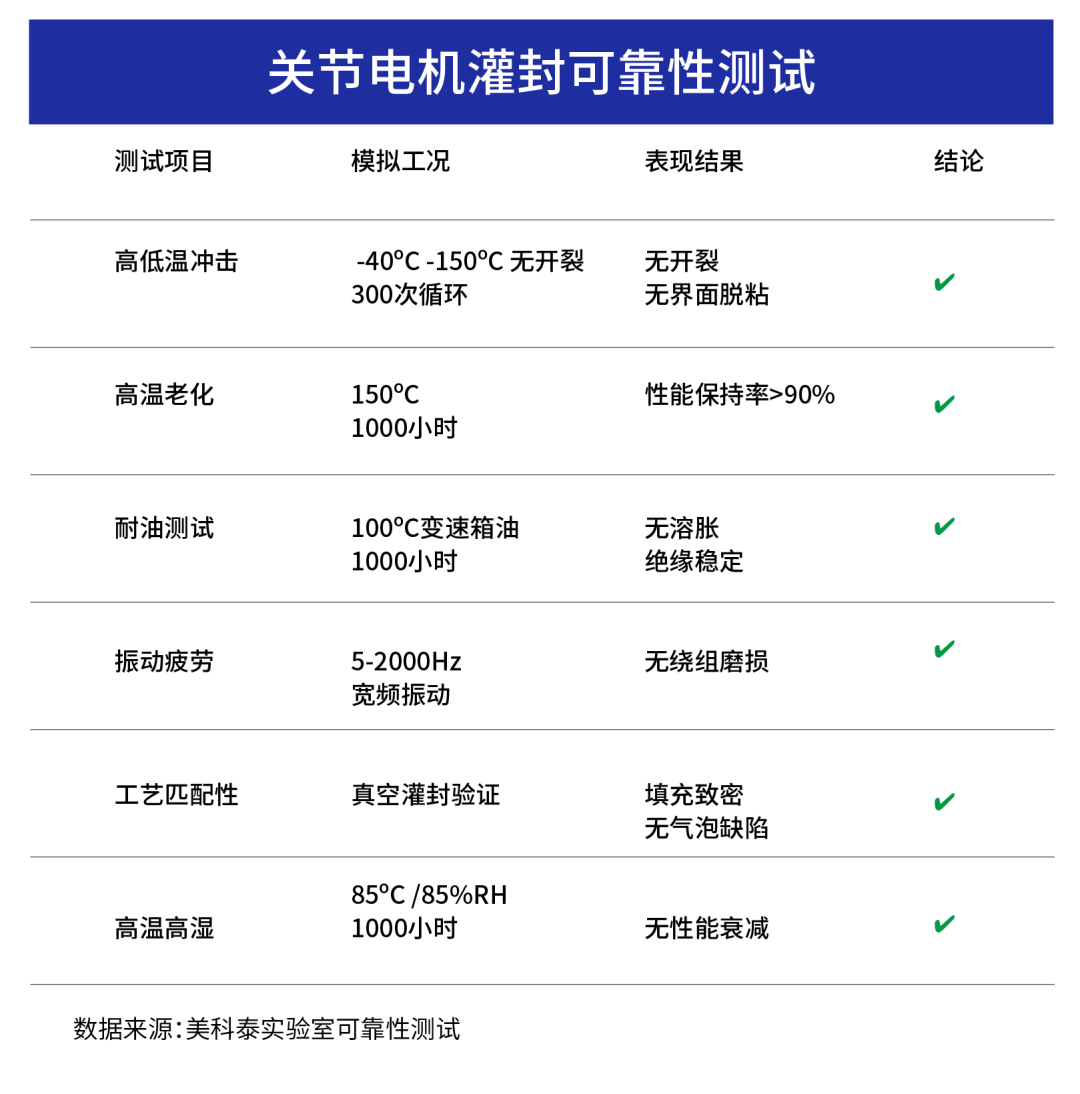
The significance of these tests is not to make the performance more "dazzling", but to confirm that it will not fail under the superposition of complex environments. For robots that need to run for a long time, this certainty is often more important than single-shot performance.
04
What really widens the gap,
It’s a process other than materials
When a project enters the mass production stage, it is often not just the material itself that determines yield and life.
For example, whether there are bubbles during the potting process, whether complex structures can be completely filled, and whether the interface bonding is stable, these details will directly affect long-term reliability.
Because of this, MCOTI's work not only stops at the material end, but also assists customers in establishing a vacuum pressure potting process, analyzes the internal structural status through metallographic slices, and makes customized adaptations for complex structures such as hollow shafts and special-shaped cavities.
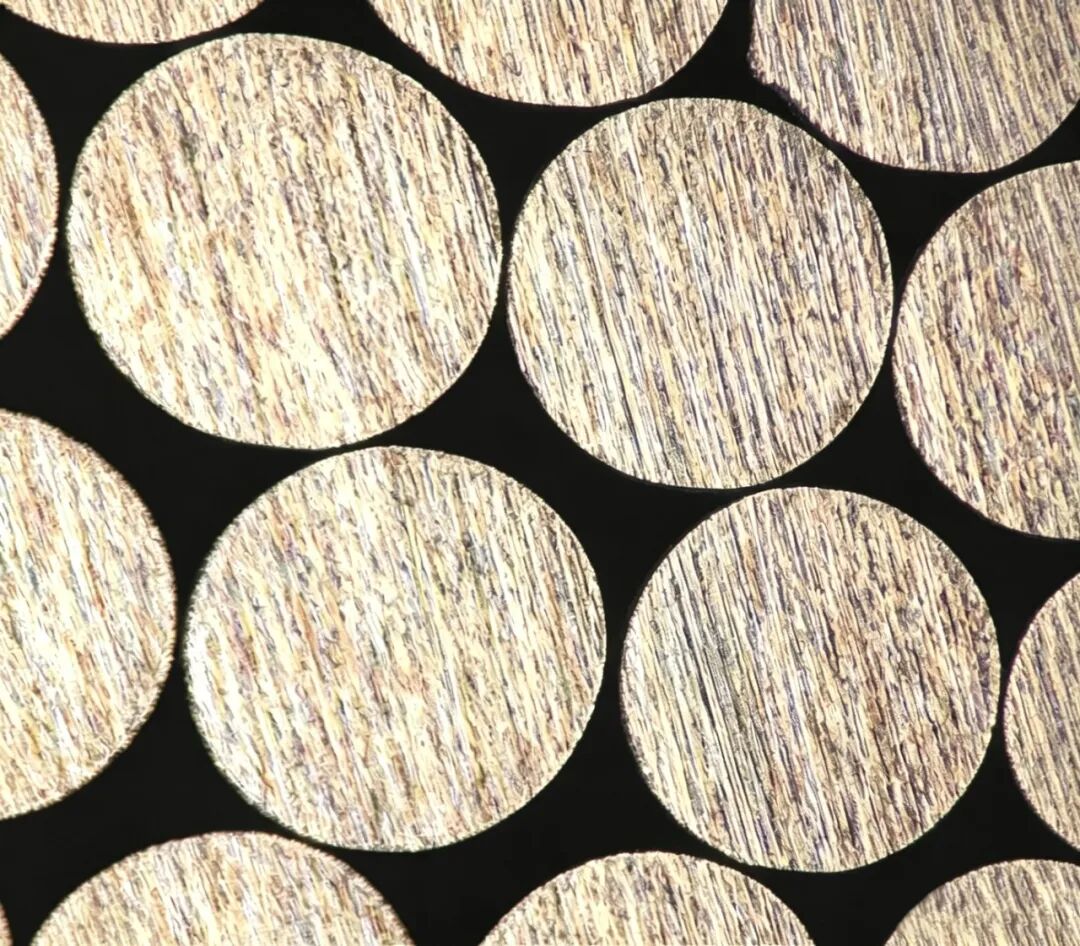
These capabilities will not be directly reflected in the parameter table, but they determine whether the product can be truly stably mass-produced.
Conclusion
These 21 kilometers in Yizhuang are more like a "mass production test" that arrives in advance. It allows the industry to see more intuitively that when humanoid robots begin to enter real scenes, the pressure on the hardware is rapidly increasing.
Against this background,Potting solutions are also changing from "material options" to "part of reliability design"。
For MCOTI, which has been deeply involved in potting technology for a long time, we are more concerned about not only the material performance itself, but how to truly transform the verification capabilities in the laboratory into stable performance in real scenes through the collaboration of materials and processes.
- END -
As a material application expert, MCOTI is committed to providing customers with one-stop adhesive solutions. The product portfolio includes epoxy, acrylic, polyurethane, silicone and other materials, while providing high-performance UV equipment and high-precisionpointGlue (tin) equipment.