As the demand for artificial intelligence, large model training, and high-performance computing increases, data centers are experiencing a new round of computing power expansion.
Compared with traditional servers, AI servers often integrate more GPUs, high-performance CPUs and dedicated acceleration chips, and the power consumption of the entire machine and the power density of the cabinet continue to increase. Facing the rapidly growing heat dissipation load, liquid cooling technology is gradually moving from some high-performance scenarios to large-scale application.
In liquid cooling systems, people usually focus on the cold plate, coolant and flow channel design, but there is another key link in the heat transfer link -Thermal Interface Materials (TIM).
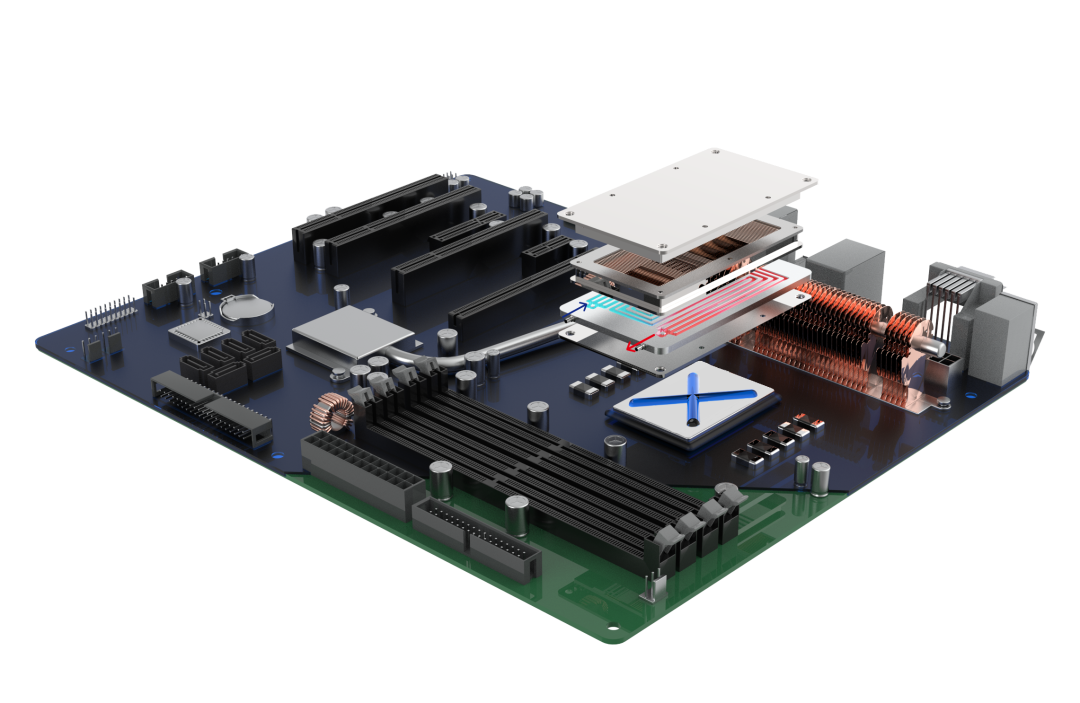
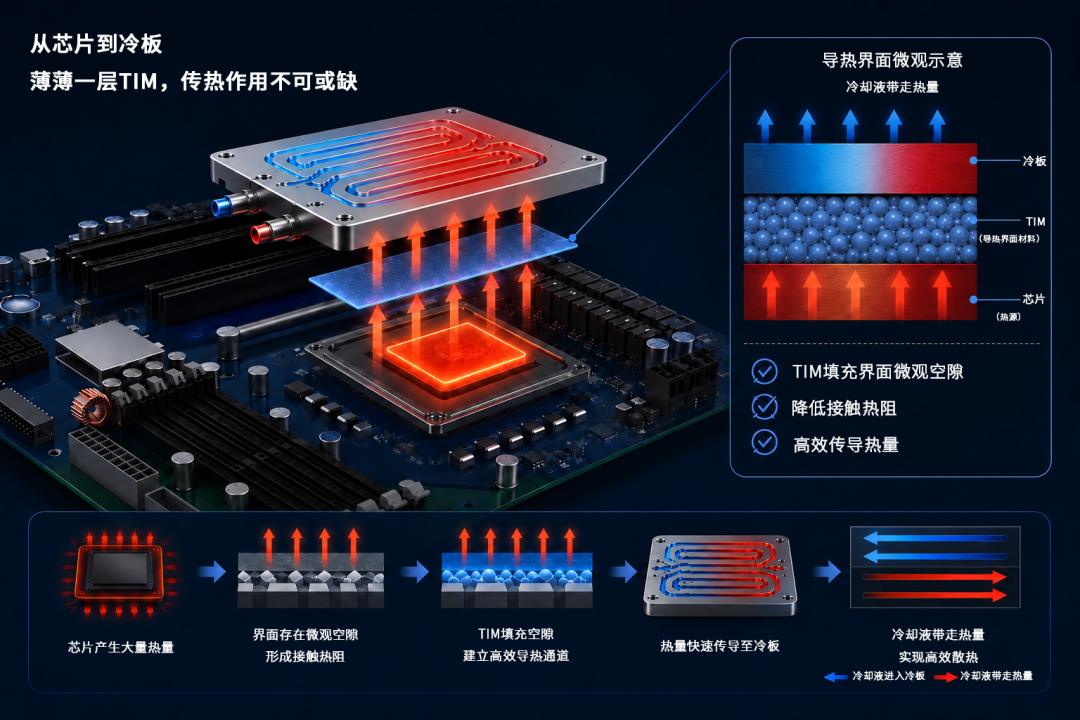
In mainstream direct-to-chip liquid cooling architecture, the heat transfer path is usually:
Chip → TIM → Cold plate → Coolant.
Although the chip and cold plate are precision processed, there are still a large number of microscopic voids on the surface of both. If in direct contact, the air will form additional thermal resistance, affecting heat transfer efficiency.
The function of TIM is to fill these gaps and establish a stable thermal conduction path to allow heat to be transferred to the cold plate more smoothly.
As GPU power consumption continues to increase, the impact of TIM on the overall cooling effect is becoming more and more obvious. For high heat flux density scenarios, subtle changes in interface thermal resistance may affect the final heat dissipation performance.
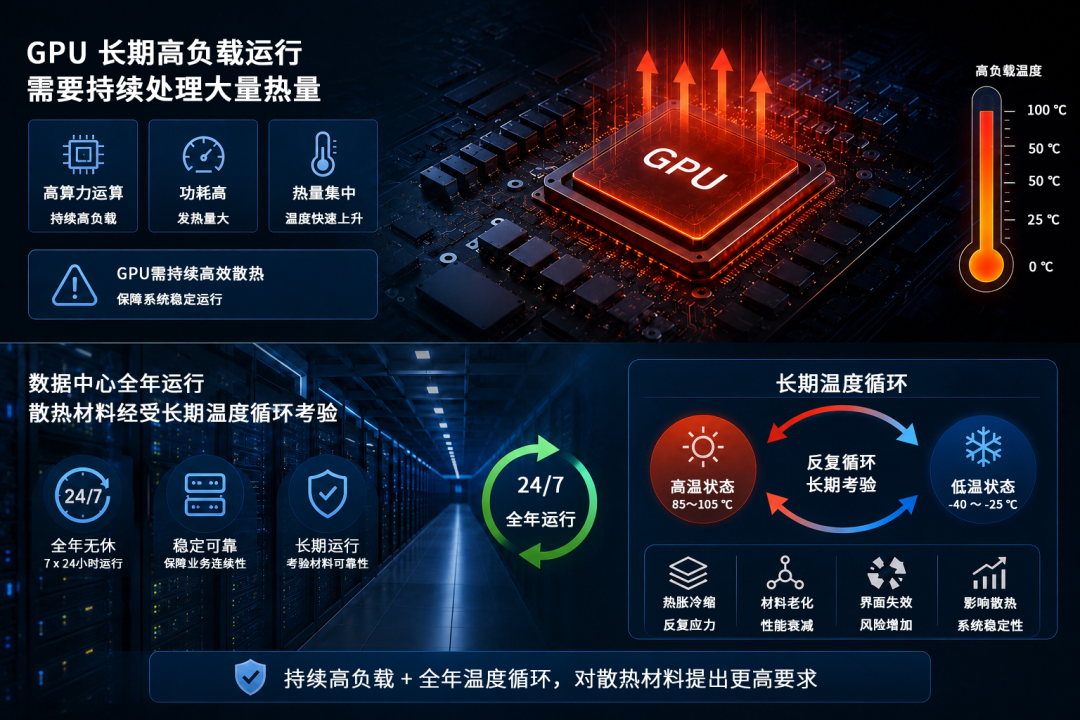
Compared with consumer electronics, AI servers face more complex working conditions.
On the one hand, GPUs operate under high load for a long time and need to continuously process a large amount of heat; on the other hand, data centers usually operate all year round, and heat dissipation materials need to withstand long-term temperature cycles.
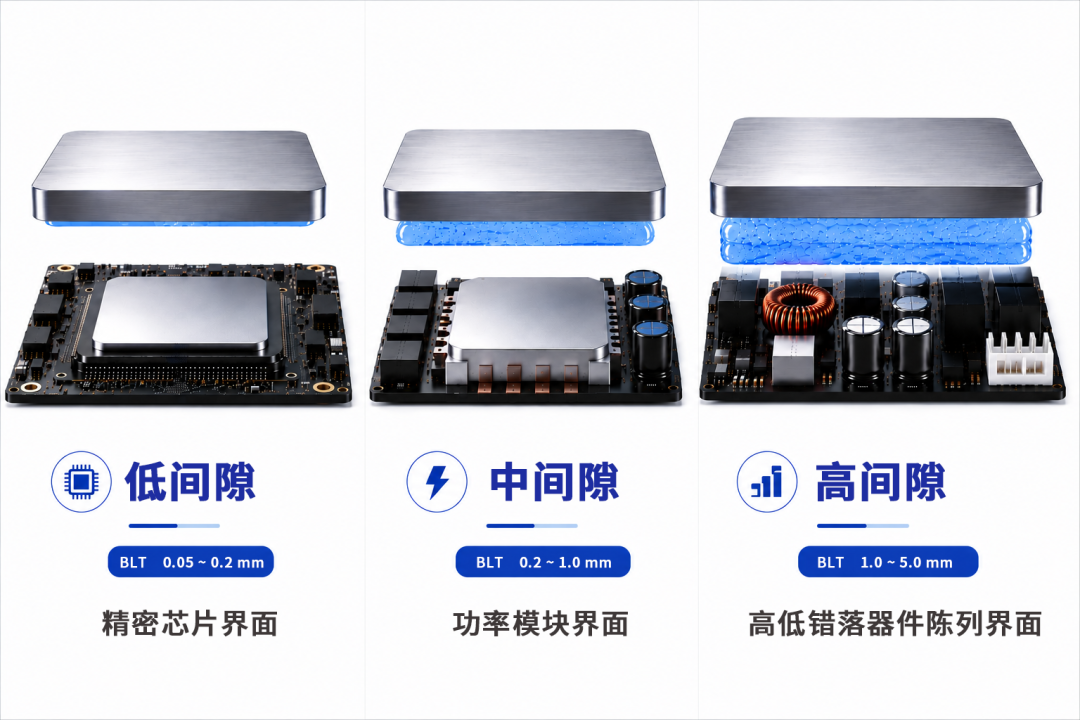
At the same time, there are inevitable assembly tolerances between cold plates, chips and structural parts. How to adapt to different gaps while ensuring thermal conductivity efficiency is also an issue that needs to be considered during the thermal design process.
Therefore, in addition to the thermal conductivity, the filling capacity, interface adaptability and service stability of the material have gradually become important reference factors in model selection.
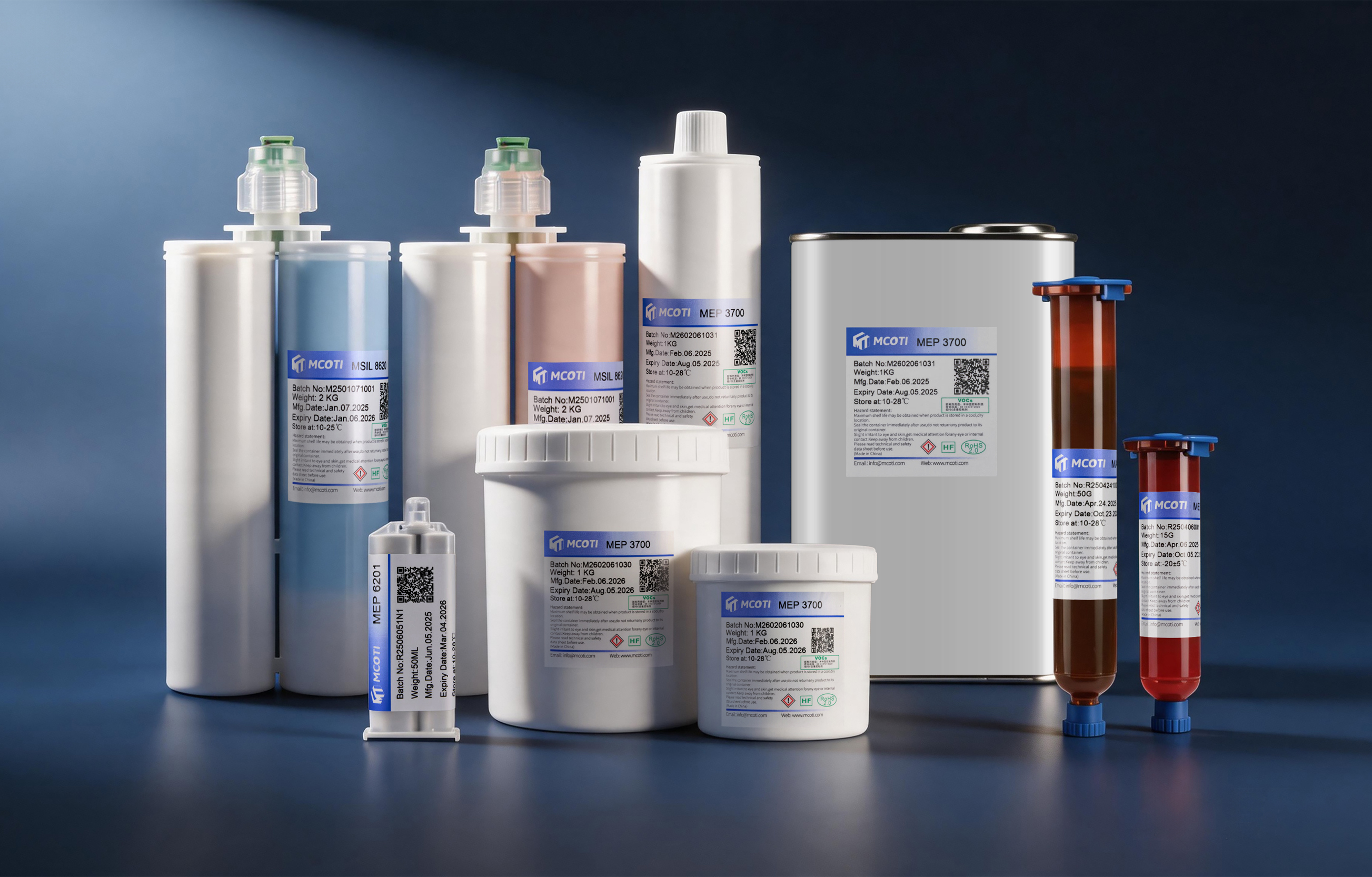
In response to the cooling needs of data centers, AI servers and high-power electronic equipment, MCOTI has built a relatively complete product system of thermal interface materials.Covering various product types such as thermal gel, thermal silicone grease and thermal caulking agent。
The current product thermal conductivity covers 2~15 W/(m·K), which can adapt to different thermal design requirements, assembly tolerances and heat dissipation structures, providing diversified thermal management solutions for servers, switches, power modules and other high-power electronic equipment.
The following products are some representative models:
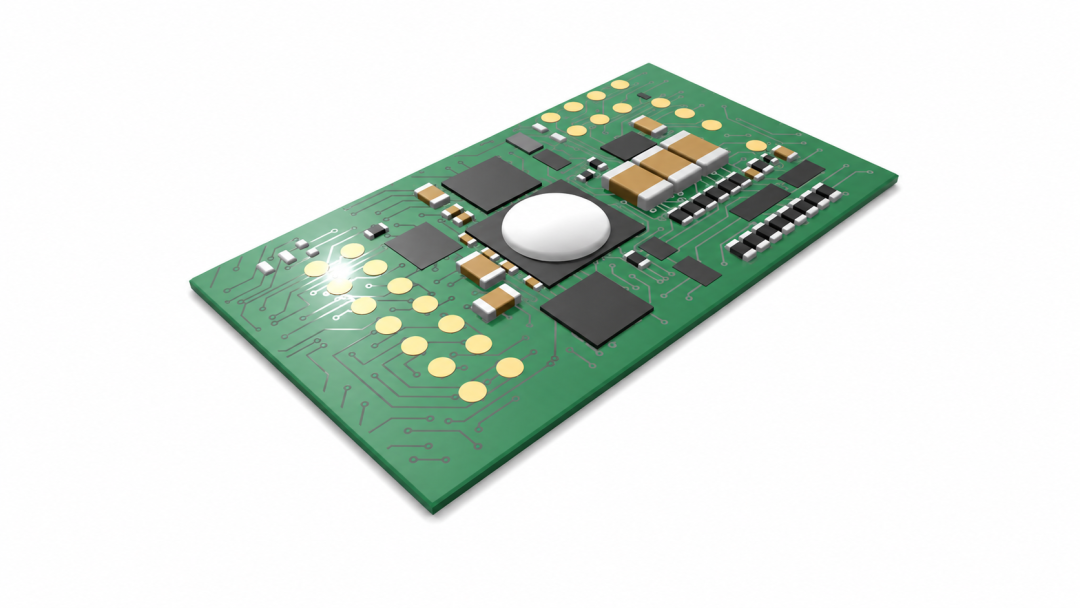
Thermal conductive gel has both fluidity and filling ability, and is suitable for scenarios such as GPU cold plates, CPU cold plates, switches and power modules.
in,MSI 1219Thermal conductivity can reach 15 W/(m·K),MSI 1215The thermal conductivity reaches 8 W/(m·K), which can be used in applications with higher heat flux density to establish a stable thermal interface between the cold plate and the device.
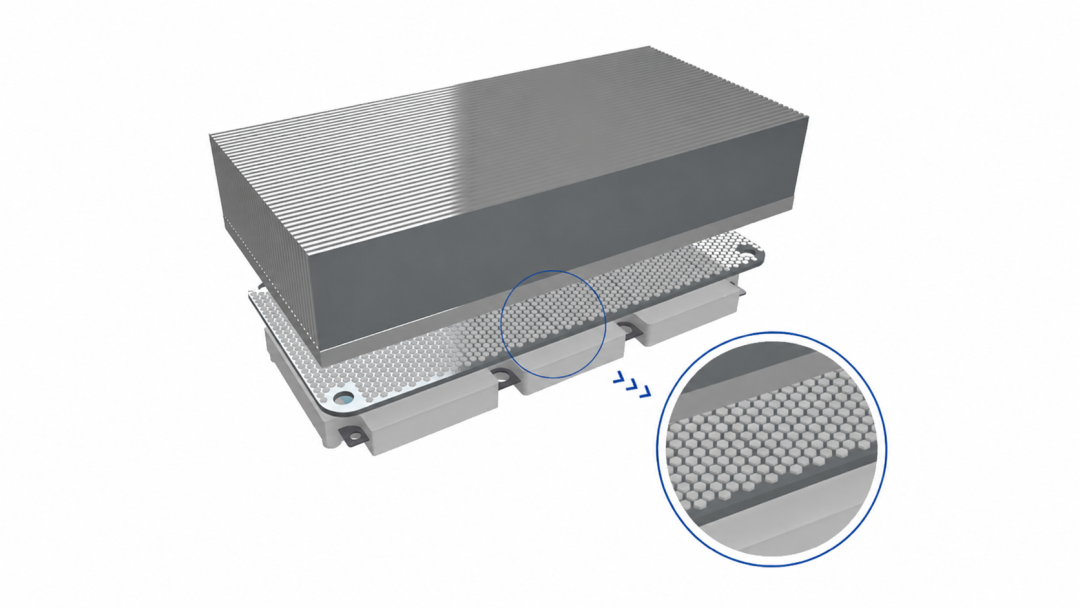
For structures with higher interface flatness, thermal silicone grease can form a thinner thermal conductive layer, thereby reducing interface thermal resistance.
MSI 1101 and MSI 1155 The thermal conductivity reaches 5.5 W/(m·K), which is suitable for heat dissipation interfaces such as CPU, GPU, vapor chamber and cold plate.
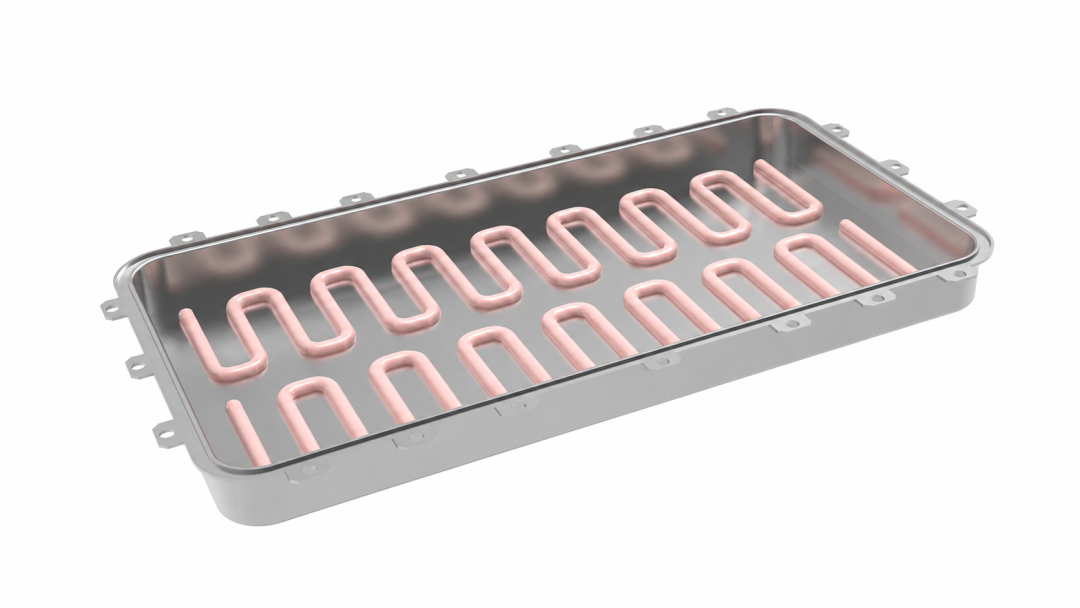
When there is a large gap between the device and the heat dissipation structure, the thermally conductive gap filler can take into account the functions of thermal conduction, insulation and gap compensation.
MSI 1210 The thermal conductivity exceeds 10 W/(m·K) and is suitable for application scenarios such as server power modules and power devices that require both thermal conductivity and electrical insulation.
In addition to the representative products introduced in the article,MCOTI can also provide a variety of TIM solutions for thermal conductivity, thickness control (BLT) and rheological properties according to different application scenarios., to meet the differentiated needs from precision chip interfaces to large gap heat dissipation structures.
For applications such as liquid-cooled servers, AI computing platforms, data center power supplies and network equipment, MCOTI can provide customers with material selection and application support based on specific structural design and process conditions.
The development of liquid cooling technology is not only a change in cooling methods, but also promotes the evolution of thermal management design in a more refined direction.
From the chip to the cold plate, there seems to be only a thin layer of TIM, but it bears the important task of heat transfer. As computing power density continues to increase,thermal interfaceThe design and material selection are also becoming one of the important factors affecting the heat dissipation efficiency of the system.
Based on its experience in material and process application, MCOTI continues to improve its product layout of high thermal conductivity interface materials to provide more efficient and stable solutions for data centers, AI servers and advanced electronic equipment.Thermal Management Solutions, helping customers cope with growing cooling challenges.
- END -