






Get professional solutions
We look forward to having in-depth exchanges with you and exploring more composite material application technologies and solutions.


The square aluminum shell power battery uses fast-response PU structural adhesive, which has a fast curing speed and can quickly dissipate a large amount of heat generated by fast charging of the battery core, accurately control the module temperature difference, and reduce the risk of thermal runaway;
Cylindrical power batteries can use acrylic thermally conductive structural adhesive, which has both stable thermal conductivity and high peel strength. It is suitable for large cylindrical CTC integrated chassis solutions and meets the automated glue coating assembly of batch modules;
The soft-packed laminated power battery uses PU structural glue for flexible buffering and heat conduction; it is suitable for large-capacity energy storage soft-packed batteries. The highly elastic adhesive layer can absorb the expansion and deformation of the soft-packed cells during charging and discharging, while balancing the heat dissipation of the module.
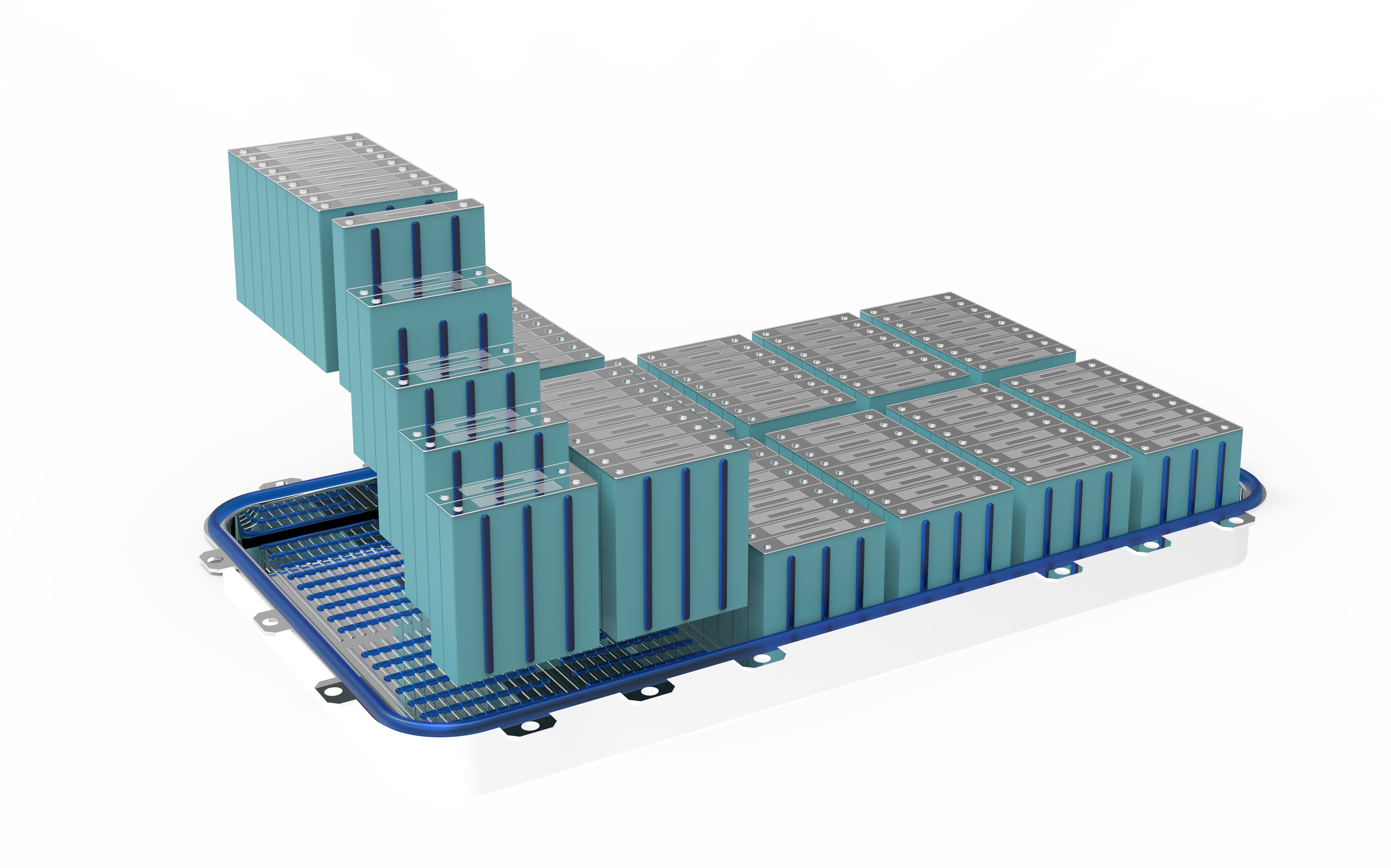
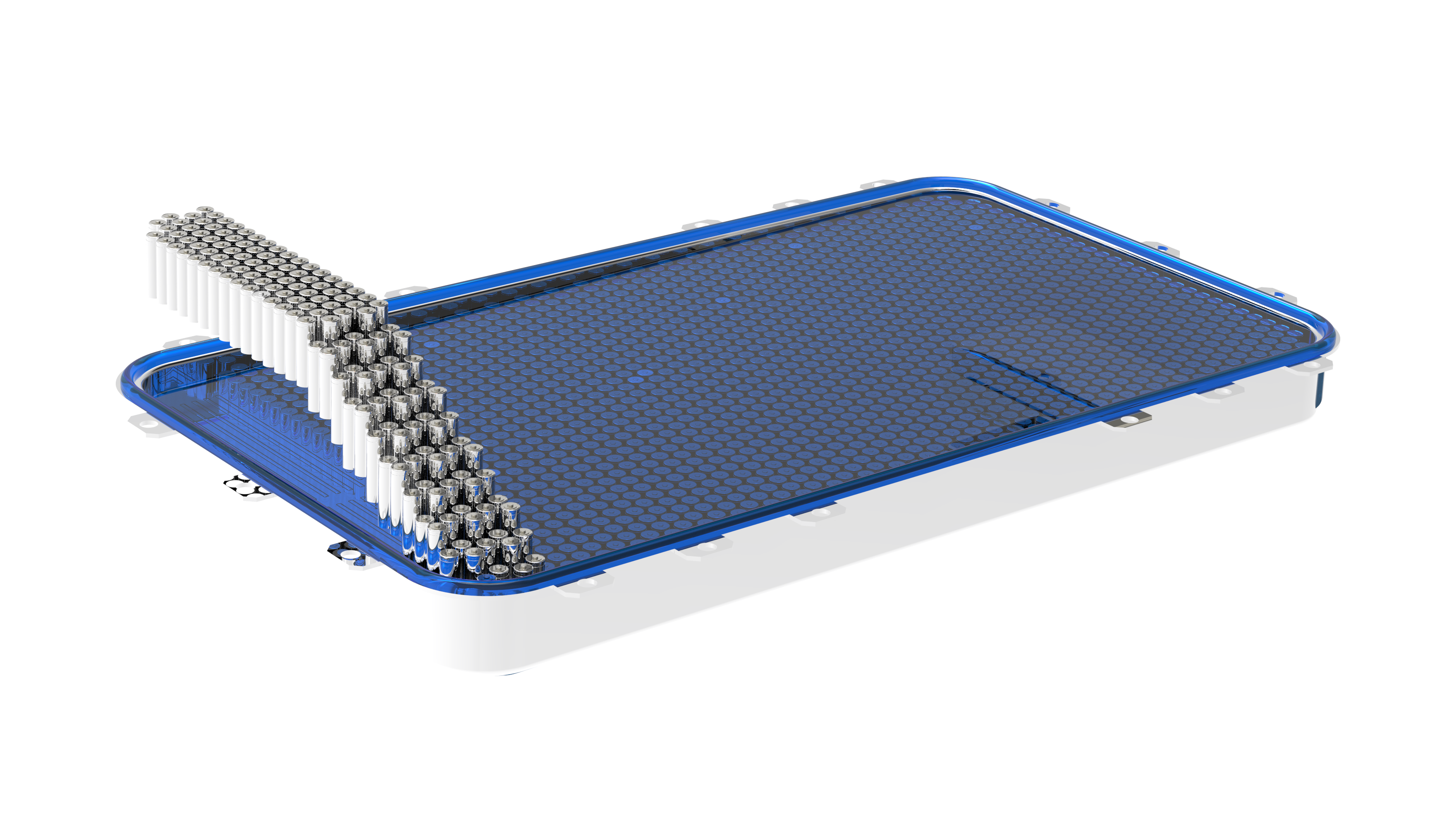
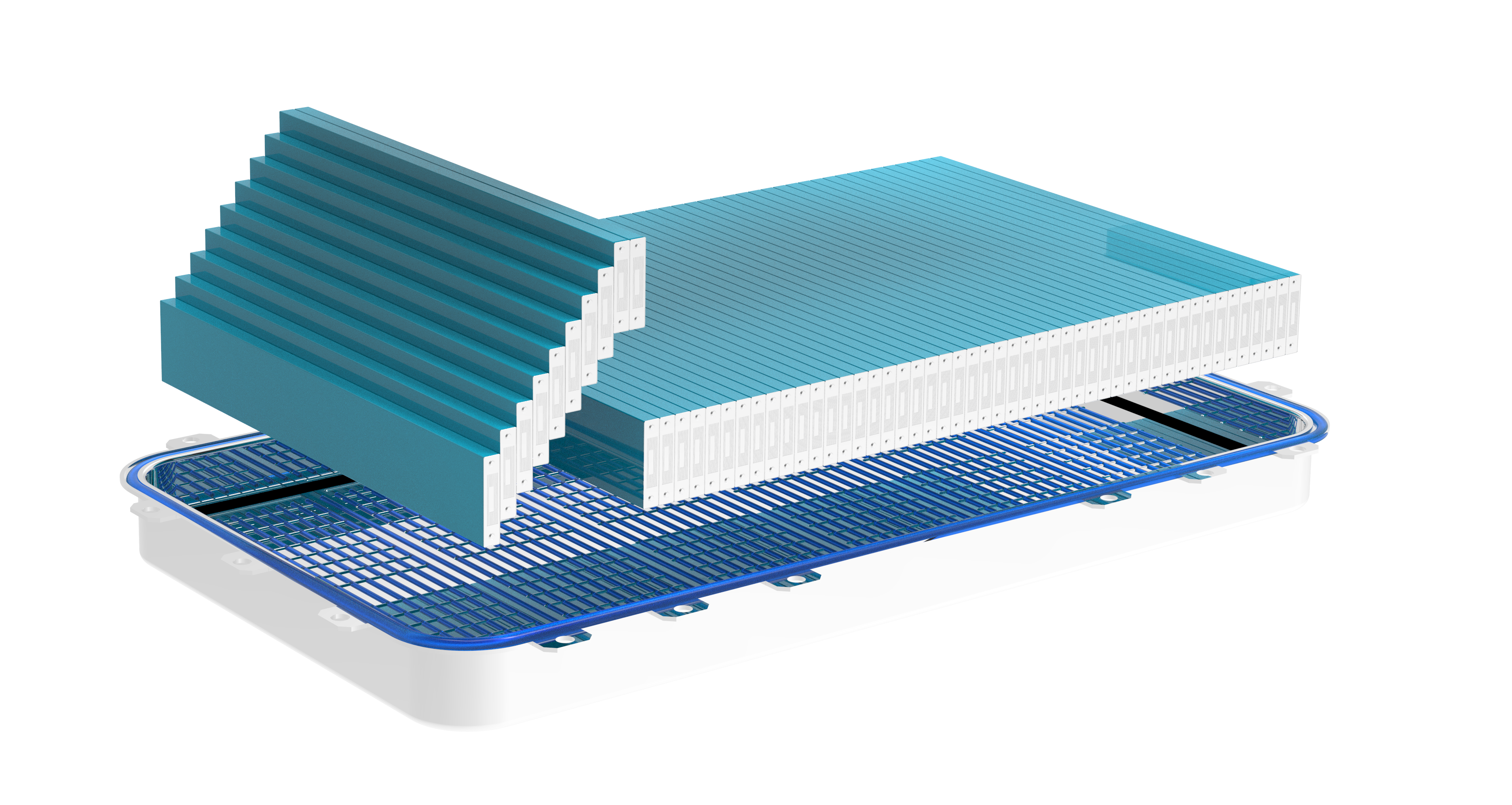
Two-in-one bonding + thermal conductivity simplifies battery pack integration structure
High elasticity, anti-vibration, anti-cell expansion, long-term non-debonding
Compatible cell materials, low precipitation and no risk of corrosion
Wide temperature insulation and weather resistance, suitable for harsh vehicle working conditions
Adapt to automated mass production lines
