





Thermal interface materials_MCOTI

CN | EN

Electronic control
New energy vehicle electronic controls are iterating in the direction of high voltage, high power integration, small size and lightweight, and have long been faced with severe vehicle working conditions such as high temperature, strong vibration, and alternating temperature and humidity. MCOTI adhesive can simultaneously achieve insulation and heat conduction, sealing and vibration damping, and bonding of dissimilar materials. It adapts to the trend of electronic control upgrades and is a key supporting material to ensure the stable and safe operation of electronic control.
Electronic control
PCBA conformal coating Ferrite Core bonding Thermal conductive insulating coating Chip protection Thermal interface materials Non-conductive/conductive sealant Thermal conductive potting
Thermal interface materials
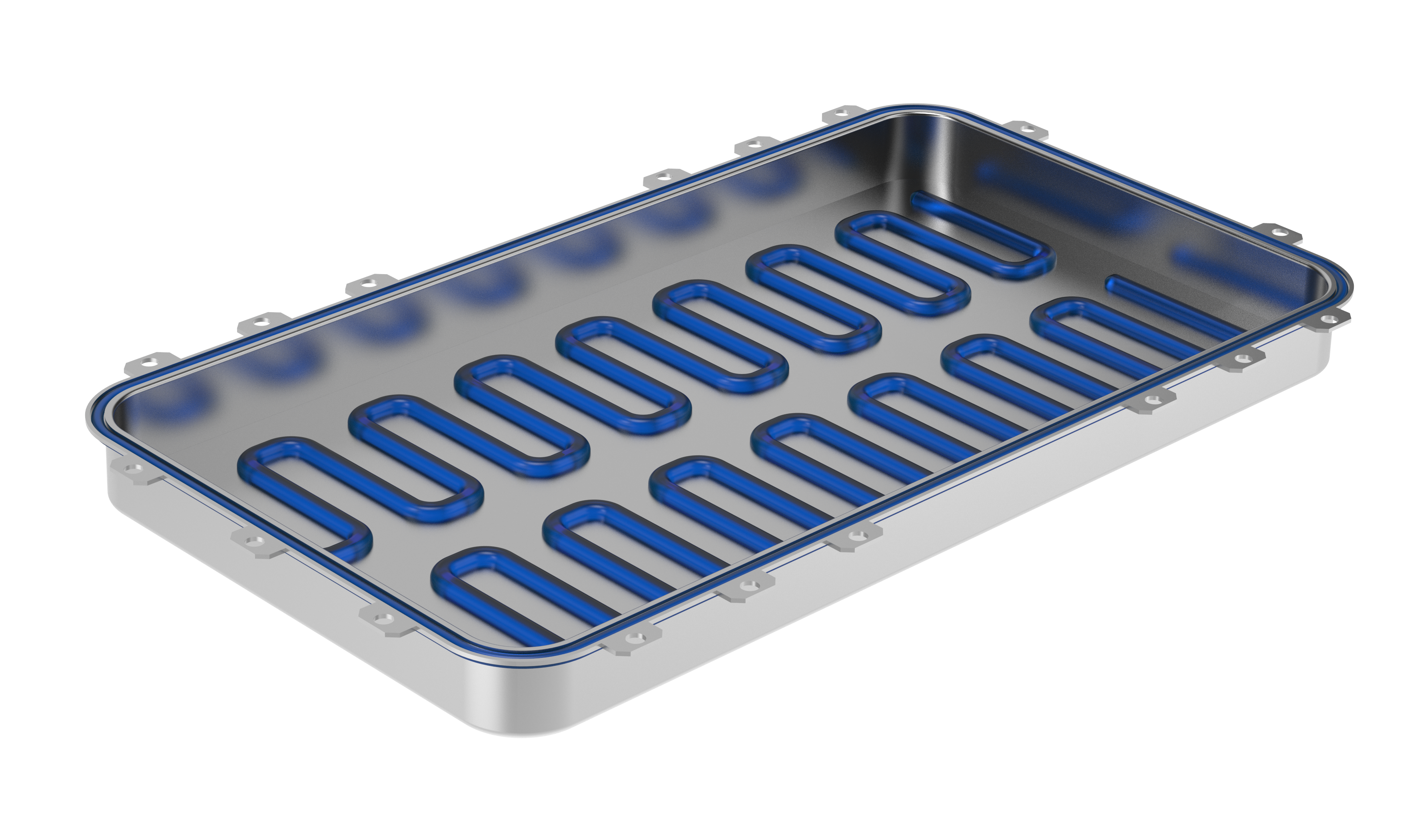
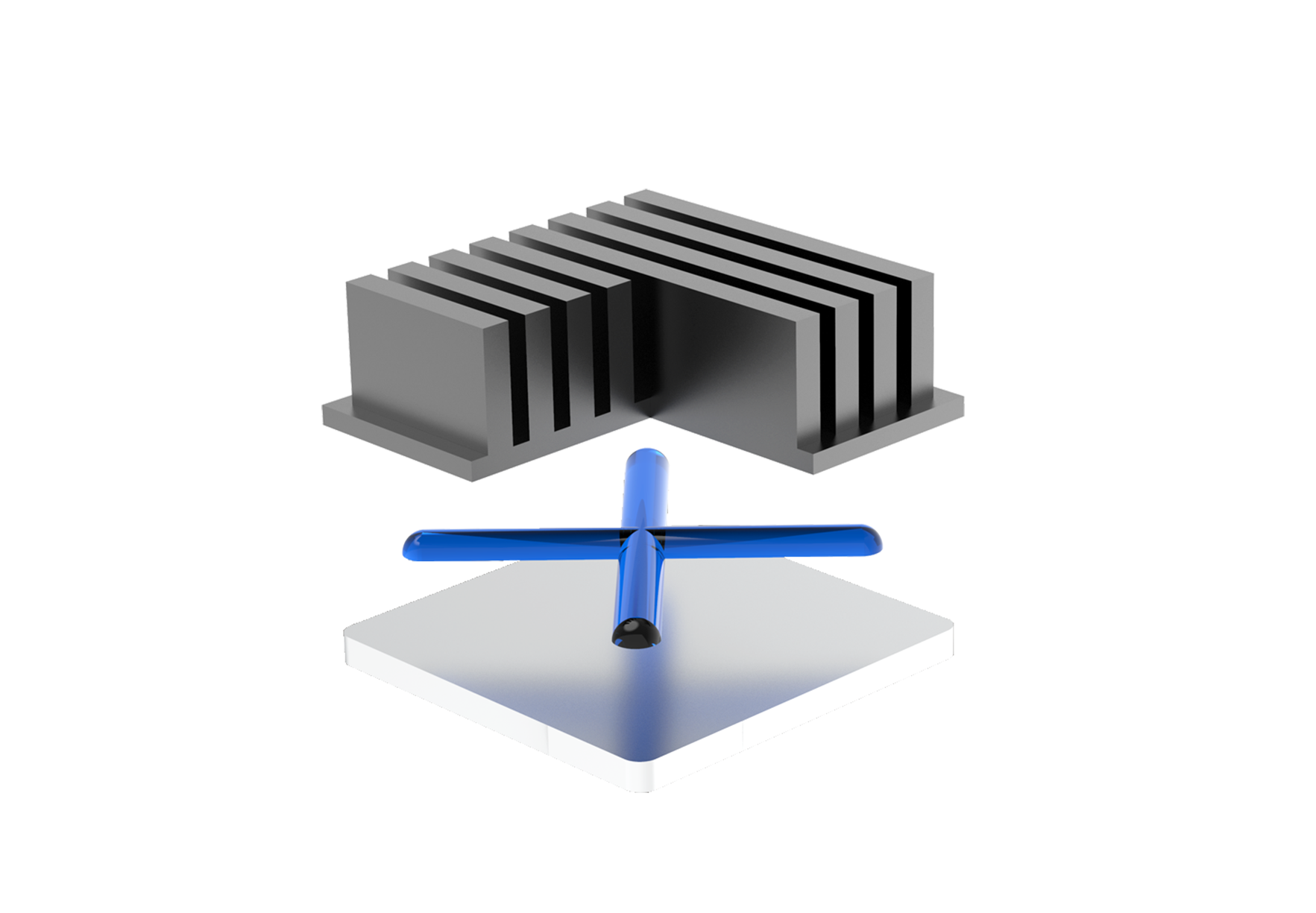
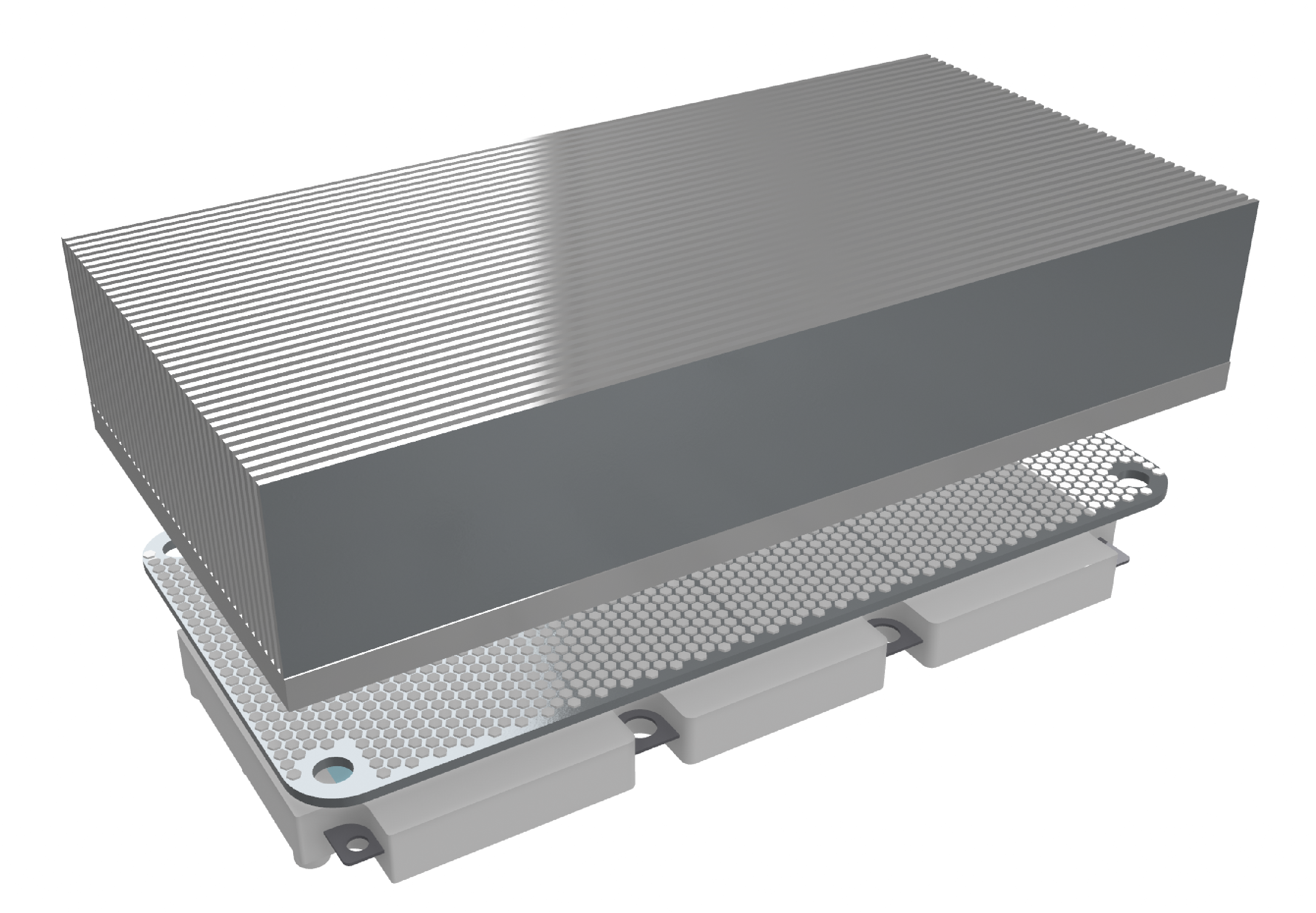
The core heat sources of new energy vehicle electronic controls are power devices such as IGBTs, SiC power tubes, and high-frequency transformers. There are microscopic unevenness on the contact surface between the device metal substrate, PCB board and water-cooling case/radiator, and the thermal conductivity of the interlayer air is extremely low, forming a huge contact thermal resistance. At the same time, the assembly tolerance of the electronically controlled die-casting case and chip components has a large floating range (0.02~5mm), coupled with the severe working conditions of vehicle wide temperature cycles, high-frequency vibration, and 800V high voltage, it is easy to cause local overheating and device aging and breakdown. Thermal interface materials can fill the gap between the heat sink and components, establish thermal channels, dissipate the heat generated by the components on the PCBA when working, reduce the thermal resistance of the contact surface and system, and eliminate the bottleneck of heat transfer.

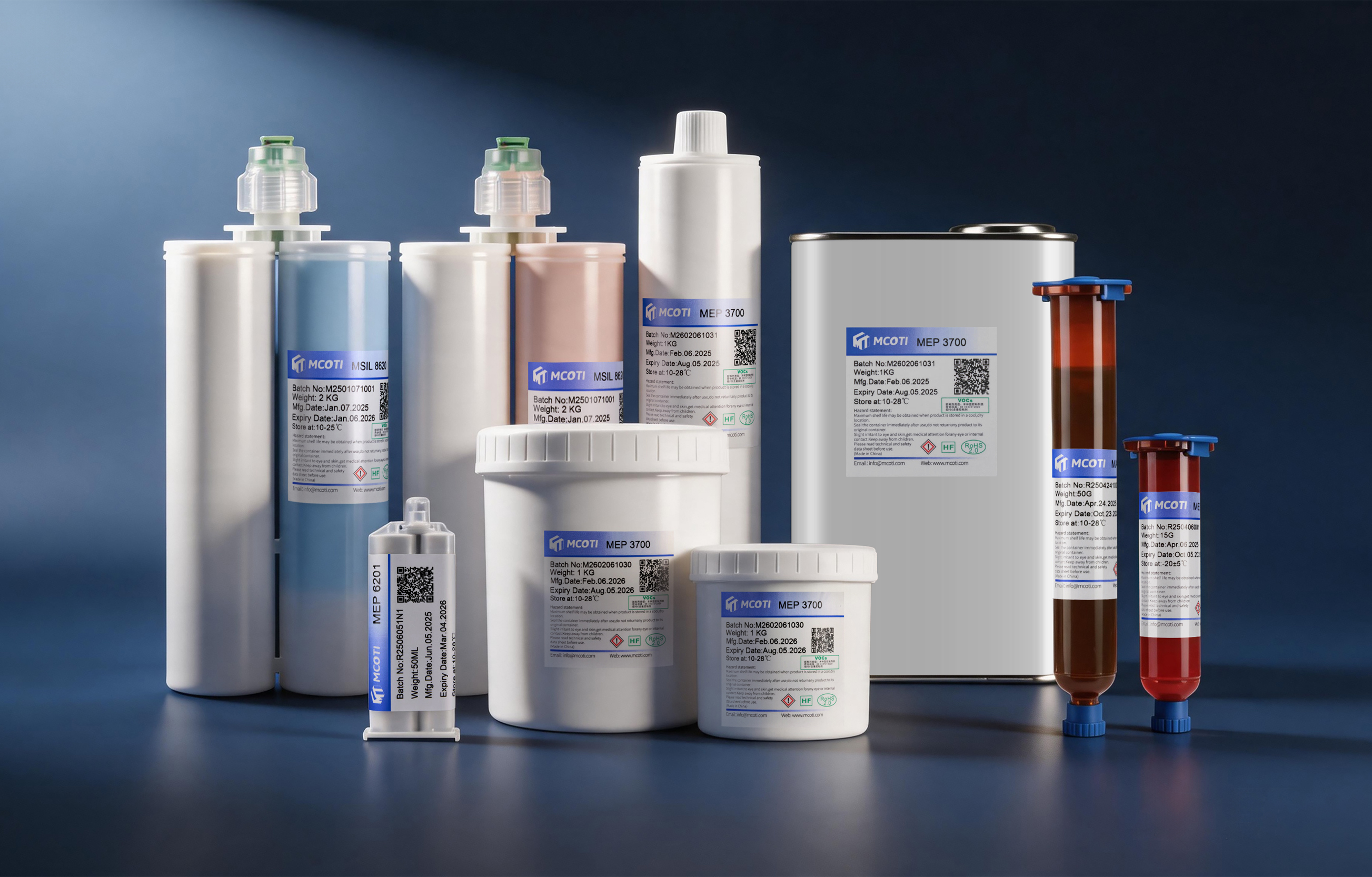
Thermal conductive silicone grease: printable/automatic dispensing, coating thickness 0.02~0.1mm, no curing reaction, the device can be disassembled and reworked;

Thermal conductive caulking agent: suitable for filling gaps with large height differences and obvious tolerance fluctuations in die-casting shells, and has a shock-absorbing and buffering effect;

Thermal conductive gel: high thermal conductivity, single-component high-speed dispensing, no need to die in advance, adaptable to various chip height differences;

Thermal conductive adhesive: It has the dual capabilities of thermal conductivity + structural bonding, which can simplify structural design, reduce fasteners and achieve lightweight;

Thermal pad: light and thin, high thermal conductivity, reproducible, automated attachment and assembly, high production efficiency.
Thermal interface materials
Product advantages

Lower interface/contact resistance

Low modulus and low stress, high dielectric strength

Stored in equipment for long life and easy handling

Very high shape and vertical gap stability

Can be dispensed using most standard dispensing systems

Glue layer thickness with components (minimum): 0.1mm

Simultaneously taking into account the needs of insulation, shock absorption, and vehicle aging resistance

Silicone grease/gel/caulking agent/adhesive glue/thermal pad to overcome various heat dissipation pain points in one stop

Get professional solutions
We look forward to having in-depth exchanges with you and exploring more composite material application technologies and solutions.